Small maintenance habits can make a meaningful difference in comfort, airflow, and HVAC reliability. These practical tips can help homeowners take better care of their heating and cooling systems without relying on rigid one-size-fits-all rules.

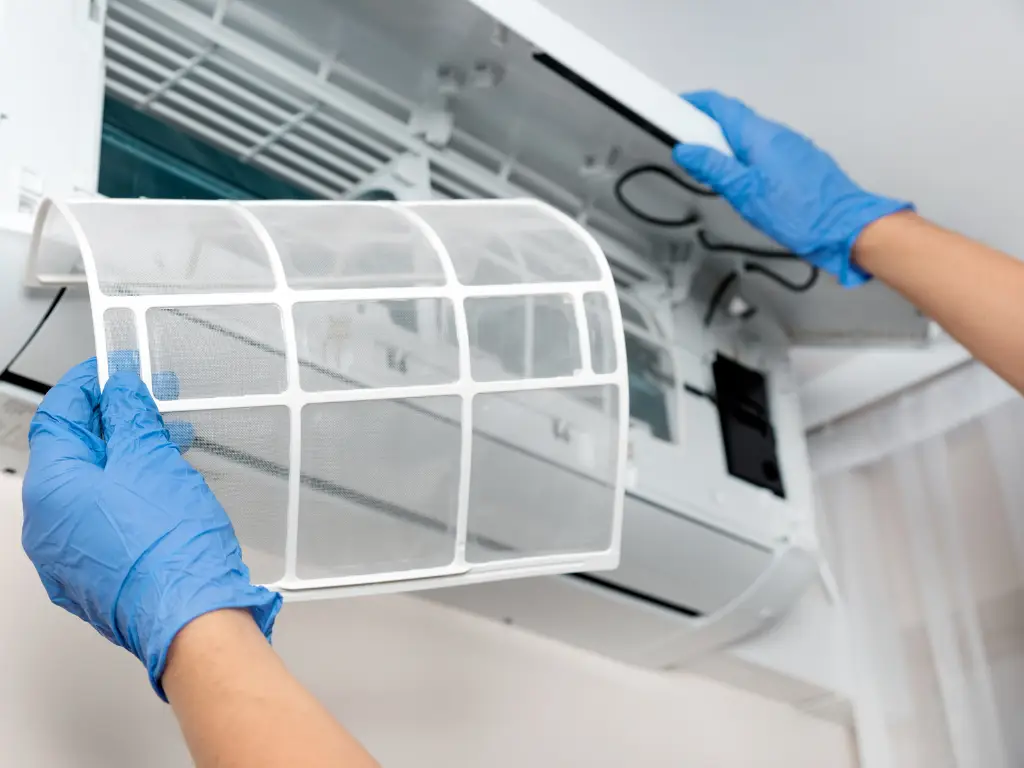
Inspect the filter regularly and replace it when it is visibly dirty or according to the filter and equipment manufacturer’s guidance. Homes with pets, construction dust, or heavier system use may need more frequent changes.
Do not block supply registers or return grilles with furniture, rugs, or curtains. Restricting airflow can create comfort problems and make the blower work harder.
Choose a comfortable setpoint and avoid large, frequent manual swings. Programmable or smart schedules can help reduce unnecessary heating or cooling when the home is unoccupied.
Remove leaves, grass, weeds, and other debris from around the outdoor unit. Maintain clear space around the cabinet so air can move through the coil.
Running the HVAC system while windows or exterior doors are open increases the heating or cooling load and can make temperature and humidity control more difficult.
New noises, weak airflow, persistent odors, water around equipment, unusual icing, or a sudden change in comfort are all reasons to have the system checked.
Before cooling season:
Before heating season:
“Every filter should be changed every 30 days.”
Not necessarily. Filter life depends on filter type, size, system runtime, indoor conditions, pets, dust load, and manufacturer guidance.
“Pleated filters are bad for HVAC systems.”
Not as a blanket rule. The important issue is choosing a filter with the correct size and resistance for the equipment and duct system.
“Air ducts should always be cleaned every 3–5 years.”
Duct cleaning is generally condition-based rather than calendar-based. Heavy debris, renovation dust, pest contamination, or other specific conditions may justify cleaning.
“Closing vents in unused rooms always saves energy.”
Closing too many registers can raise static pressure and create airflow problems. Zoning should be handled with equipment and ductwork designed for it.
Schedule service when the system will not heat or cool properly, repeatedly trips breakers, develops ice, leaks water, produces persistent burning or fuel odors, makes new mechanical noises, or shows a major change in airflow or operating behavior.
For gas odors, suspected carbon monoxide, smoke, or electrical burning, leave the area and contact the appropriate emergency or utility service rather than attempting a repair yourself.
Baker Heating, Air Conditioning & Duct Cleaning can help with maintenance, repairs, airflow issues, thermostat concerns, ductwork, indoor air quality, and system replacement. If something does not seem right, we can evaluate the system and explain what it needs.