A reliable water heater is essential for showers, laundry, dishes, and everyday household use. Baker Heating, Air Conditioning & Duct Cleaning installs, repairs, and replaces traditional tank, tankless, and heat-pump water heaters, with recommendations based on household demand, fuel source, available space, and budget.
Storage water heaters keep a set volume of hot water ready in an insulated tank. They are widely available, usually cost less upfront, and can be a straightforward replacement when the existing fuel source and connections are already in place.
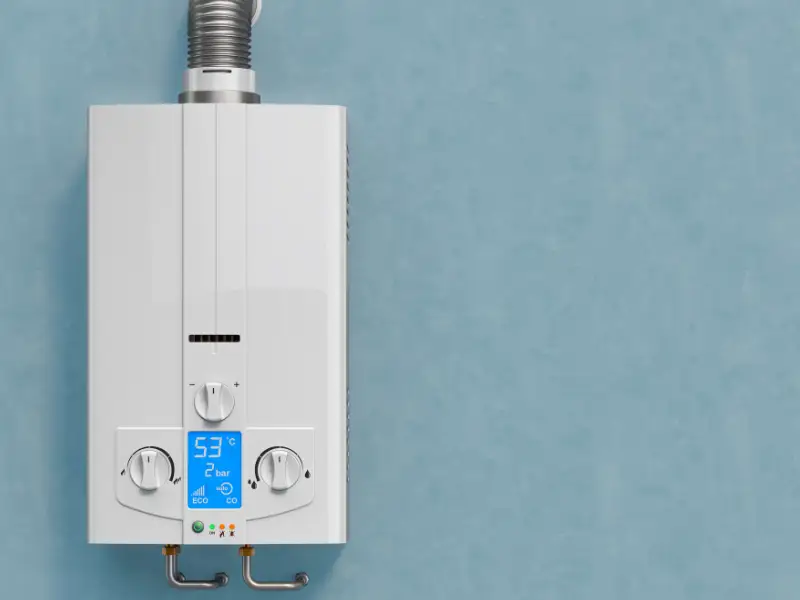
Tankless systems heat water as it flows through the unit. They take up less space and can provide continuous hot water within the unit’s flow-rate limits, but installation can require gas-line, venting, electrical, or plumbing changes.
Heat-pump water heaters move heat from surrounding air into a storage tank. They can use substantially less electricity than conventional electric-resistance models, but need appropriate installation space, airflow, condensate drainage, and ambient conditions.
Typical lifespan: About 10–15 years; DOE estimates average storage-water-heater life around 14–15 years.
Typical installed cost: Roughly $900–$1,800 nationally for many replacement projects, though size, fuel type, permits, and code upgrades can move the price higher.
Advantages:
Tradeoffs:
Typical lifespan: Around 20 years for gas tankless equipment when properly maintained; some units can last longer.
Typical installed cost: Roughly $1,400–$3,900 nationally. Converting from a tank system can cost more if larger gas piping, new venting, electrical upgrades, condensate drainage, or other modifications are needed.
Advantages:
Tradeoffs:
Cost figures above are broad 2026 national installation ranges for comparison only, not a Baker HVAC quote. Actual project cost depends on equipment size, fuel type, existing plumbing, gas or electrical capacity, venting, permits, and site conditions.
A traditional tank model may make sense when:
A tankless model may make sense when:
For tank heaters, capacity and recovery rate matter. For tankless systems, flow rate and temperature rise matter. A system that is too small can struggle during peak use, while an oversized or unnecessarily complex system can raise project cost without adding useful performance.
Maintenance needs vary by system. Tank heaters may benefit from sediment flushing and anode-rod inspection, while tankless units commonly require periodic descaling and filter cleaning based on water quality and manufacturer guidance.
Contact Baker Heating, Air Conditioning & Duct Cleaning for water heater repair, replacement, or installation. We can compare tank, tankless, and heat-pump options based on your household’s hot-water demand, available utilities, space, and project budget.